It's been a busy year for East County. A lot of good, or at least generally positive, things happened:
- Results from the 2010 Census showed that Montgomery County is now majority-minority, with whites making up just 49% of the population. Though we aren't a fully-integrated community, our diversity is something to be proud of.
- After decades of controversy, we finally saw the opening of the InterCounty Connector, which is already leaving its mark on the east side.
- The revitalization of downtown Wheaton came a step closer to reality now that developer B.F. Saul's been chosen to redevelop several county-owned properties in the area, though questions remain about how it'll work.
- The Fillmore finally opened and seems to have made downtown Silver Spring a more happening place, nevermind what the cool kids at the City Paper say. I was amazed to see a line of people going down Colesville Road and around the corner waiting to get in to see The Roots play earlier this week.
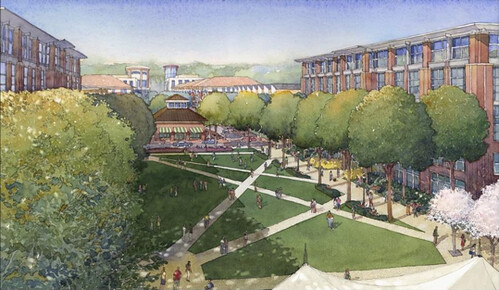
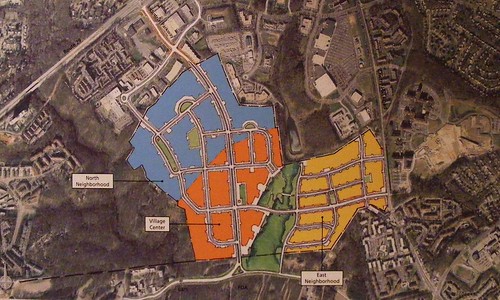
- And in Burtonsville, the beleaguered village center is starting to see small improvements, though it's anybody's guess if things will improve anytime soon.
However, there have been some disappointing moments:
- An attempt to legalize same-sex marriage in Maryland stalled at the last minute due to the cowardice of a few elected officials, notably State Del. Tiffany Alston, who took campaign money to pay for her own wedding.
- County Executive Leggett spent five months trying to pass a teen curfew, willfully ignoring the lack of evidence supporting their effectiveness and despite a substantial drop in crime following the incident due to a greater police presence in the area. Thankfully, the County Council chose to table the measure, though judging from this page on the county goverment's website, Leggett isn't ready to back down.
- And near downtown Silver Spring, neighbors continue to fight a proposed townhouse development on the site of the former Chelsea School. Though their concerns about traffic and noise have some merit, there's a lot of demand for new housing in Silver Spring, which explains why rents in some downtown apartment buildings have more than doubled in recent years. Even though I may not be in the market for a $600,000 townhouse like the ones proposed at Chelsea Court, restricting the supply of new housing drives up prices for everyone.
Overall, I think 2011 was a good year, though certainly the mood in East County is influenced by things will beyond our control, whether it's Wall Street, the Iowa caucuses or turmoil in the European Union. I wish everyone a happy new year, and I'll see you in 2012.
(There's a 95% chance I'll be returning to the D.C. area after graduation this May, so hopefully I'll see y'all even more very soon.)
- Results from the 2010 Census showed that Montgomery County is now majority-minority, with whites making up just 49% of the population. Though we aren't a fully-integrated community, our diversity is something to be proud of.
- After decades of controversy, we finally saw the opening of the InterCounty Connector, which is already leaving its mark on the east side.
- The revitalization of downtown Wheaton came a step closer to reality now that developer B.F. Saul's been chosen to redevelop several county-owned properties in the area, though questions remain about how it'll work.
- The Fillmore finally opened and seems to have made downtown Silver Spring a more happening place, nevermind what the cool kids at the City Paper say. I was amazed to see a line of people going down Colesville Road and around the corner waiting to get in to see The Roots play earlier this week.
- And in Burtonsville, the beleaguered village center is starting to see small improvements, though it's anybody's guess if things will improve anytime soon.
However, there have been some disappointing moments:
- An attempt to legalize same-sex marriage in Maryland stalled at the last minute due to the cowardice of a few elected officials, notably State Del. Tiffany Alston, who took campaign money to pay for her own wedding.
- County Executive Leggett spent five months trying to pass a teen curfew, willfully ignoring the lack of evidence supporting their effectiveness and despite a substantial drop in crime following the incident due to a greater police presence in the area. Thankfully, the County Council chose to table the measure, though judging from this page on the county goverment's website, Leggett isn't ready to back down.
- And near downtown Silver Spring, neighbors continue to fight a proposed townhouse development on the site of the former Chelsea School. Though their concerns about traffic and noise have some merit, there's a lot of demand for new housing in Silver Spring, which explains why rents in some downtown apartment buildings have more than doubled in recent years. Even though I may not be in the market for a $600,000 townhouse like the ones proposed at Chelsea Court, restricting the supply of new housing drives up prices for everyone.
Overall, I think 2011 was a good year, though certainly the mood in East County is influenced by things will beyond our control, whether it's Wall Street, the Iowa caucuses or turmoil in the European Union. I wish everyone a happy new year, and I'll see you in 2012.
(There's a 95% chance I'll be returning to the D.C. area after graduation this May, so hopefully I'll see y'all even more very soon.)